
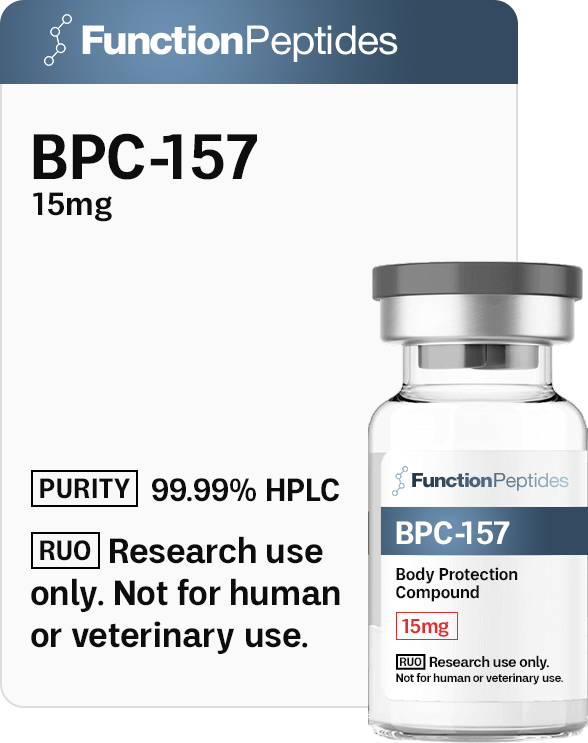
BPC-157, 15mg
BPC-157 is a synthetic research peptide derived from a gastric protein fragment and is studied for its role in cellular repair, angiogenic signaling, and regenerative pathway modulation. In experimental models, BPC-157 is used to investigate tissue recovery mechanisms, vascular integrity, and peptide-mediated protective signaling under controlled laboratory conditions.
- ≥99% purity, HPLC / MS verified
- Certificate of analysis on request
- Made & shipped in the USA
- UPS Next Day Air on ice — ships Mon–Wed, US only
- Discreet, temperature-safe packaging with tracking
- Free shipping on orders over $300
Specifications & Documentation
| Compound | BPC- |
|---|---|
| Strength | 15mg |
| Form | Lyophilized powder |
| Purity | ≥99% (HPLC / MS verified) |
| Grade | Research use only |
You may also like
 AOD-9604 + CJC-1295 + Ipamorelin$120.00
 AOD 9604, 5mg$80.00
 Cagrilintide 5mg$120.00
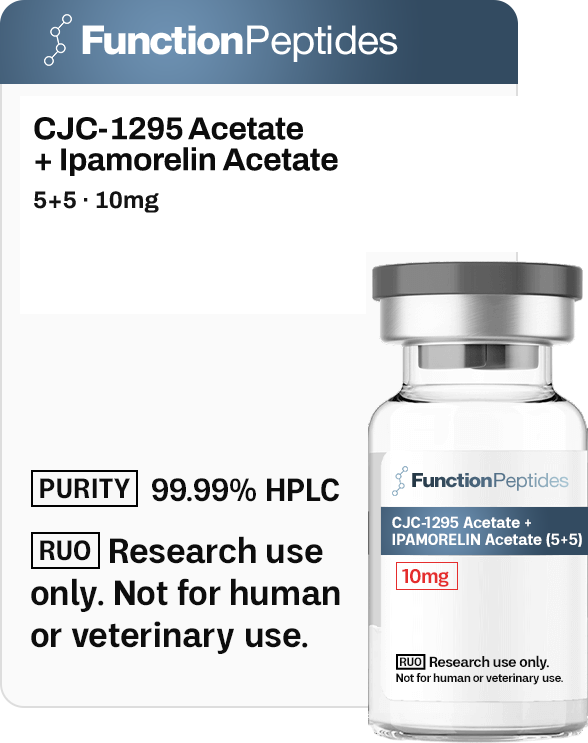 CJC-1295 Acetate + Ipamorelin Acetate$140.00
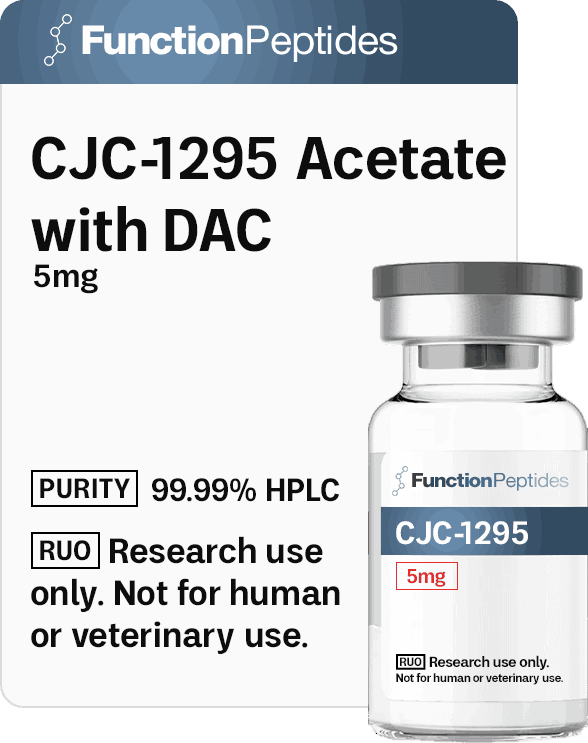 CJC-1295 Acetate with DAC, 5mg$100.00
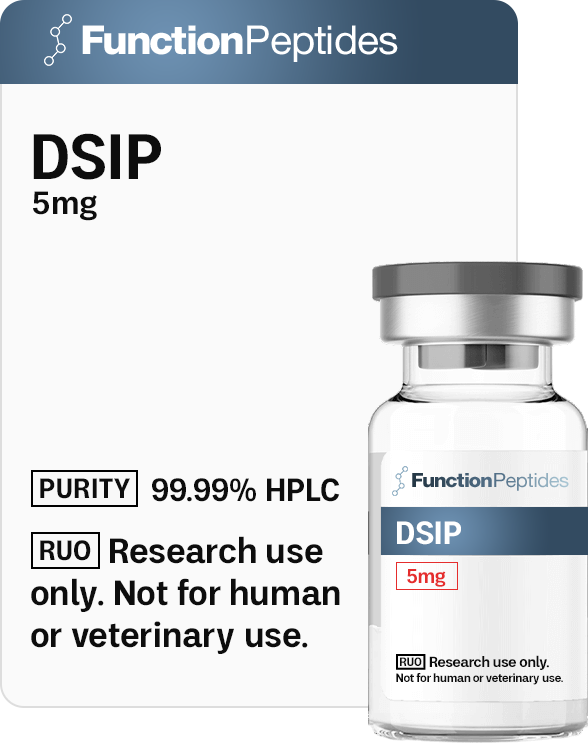 DSIP, 5mg$100.00
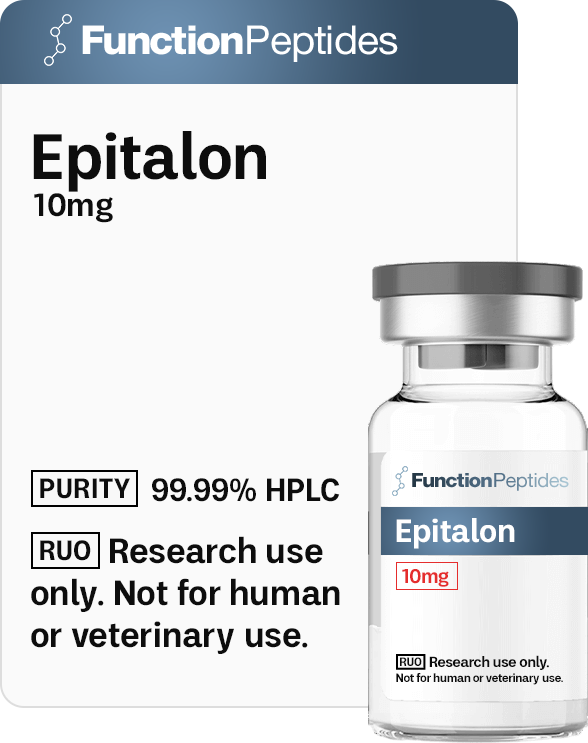 Epitalon, 10mg$100.00
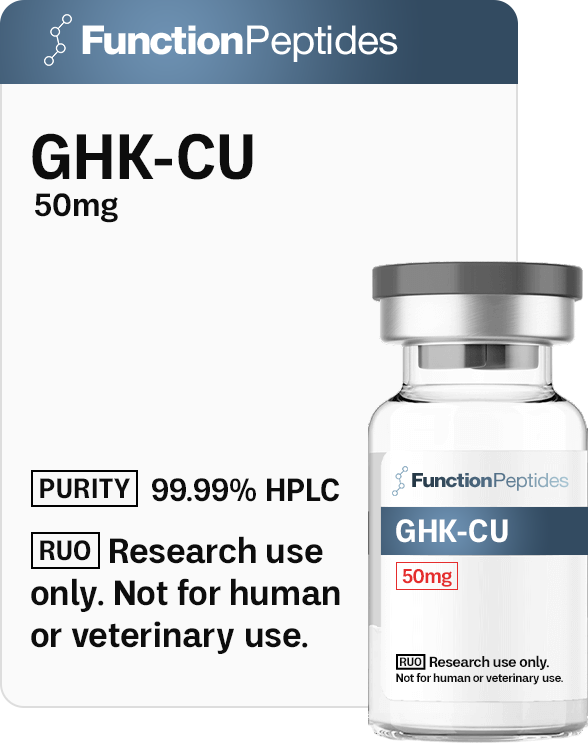 GHK-CU, 50mg$100.00
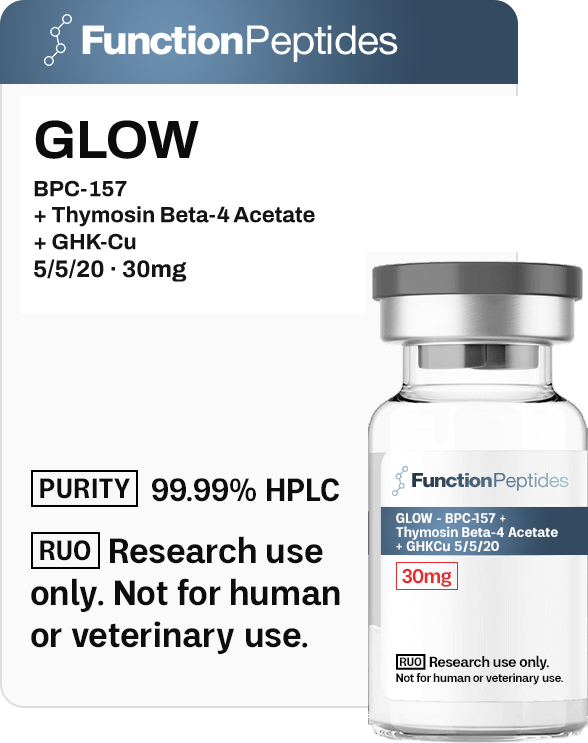 GLOW$140.00
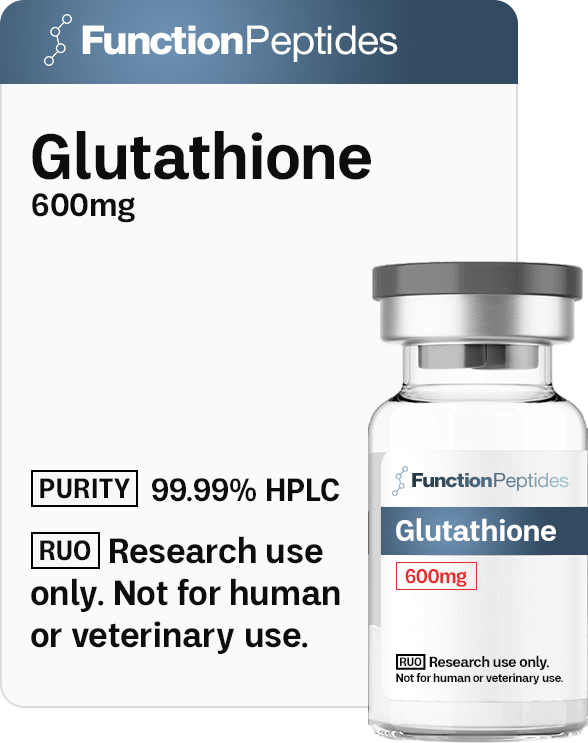 Glutathione 600mg$120.00
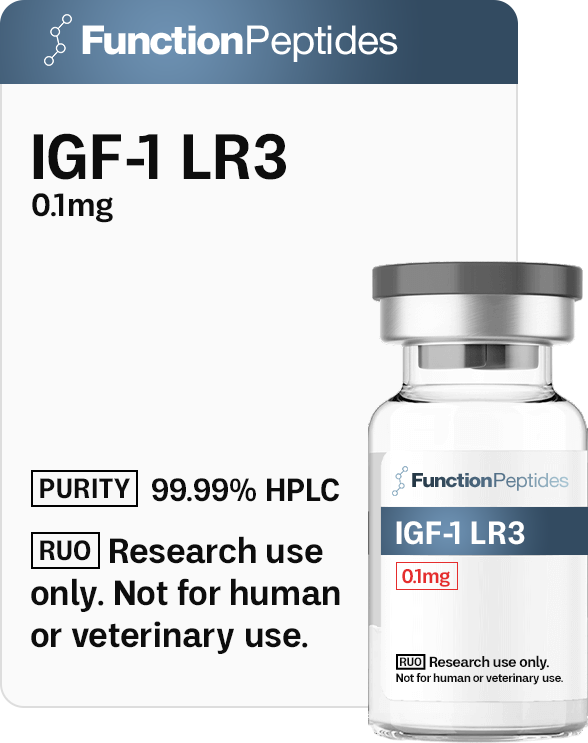 IGF-1 LR3, 0.1mg$200.00
 IPAMORELIN Acetate, 10mg$70.00
 Kisspeptin-10 5mg$70.00
 KLOW$260.00
 MOTS-c, 40mg$200.00
 NAD+, 750mg$180.00
 Oxytocin 10mg$70.00
 Retatrutide, 20mg$260.00
 Retatrutide, 60mg$580.00
 Selank 10mg$70.00
 Selank + Semax$120.00
 Semaglutide, 20mg$210.00
 Semaglutide, 3mg$60.00
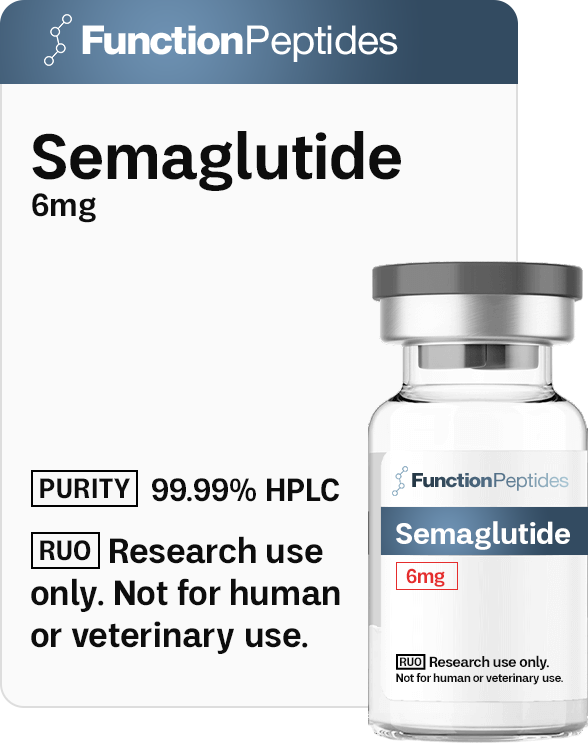 Semaglutide, 6mg$110.00
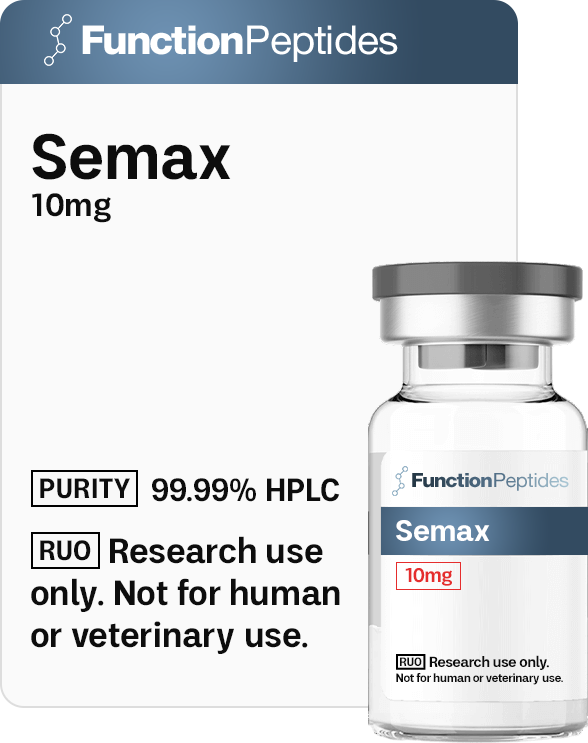 Semax 10mg$70.00
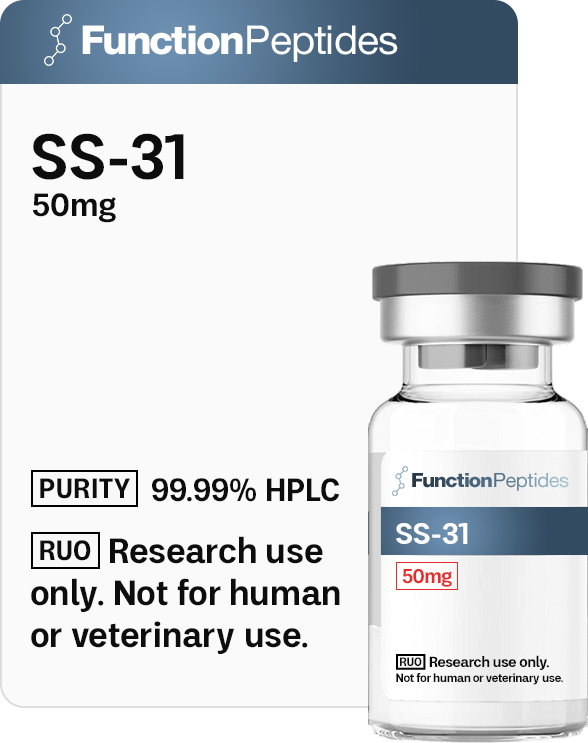 SS-31, 50mg$165.00
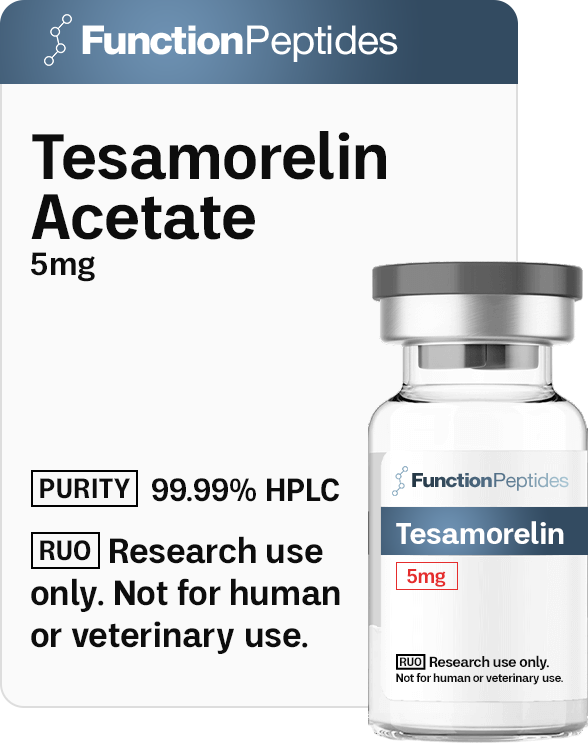 Tesamorelin Acetate, 5mg$100.00
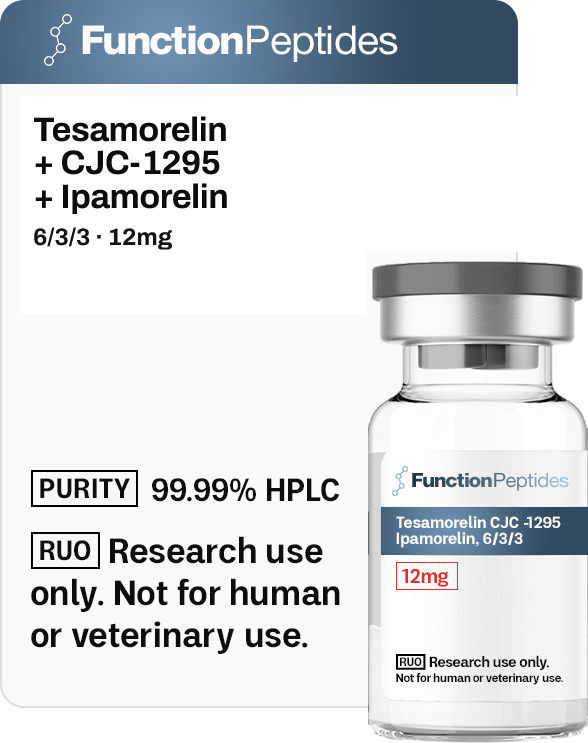 Tesamorelin + CJC-1295 + Ipamorelin$155.00
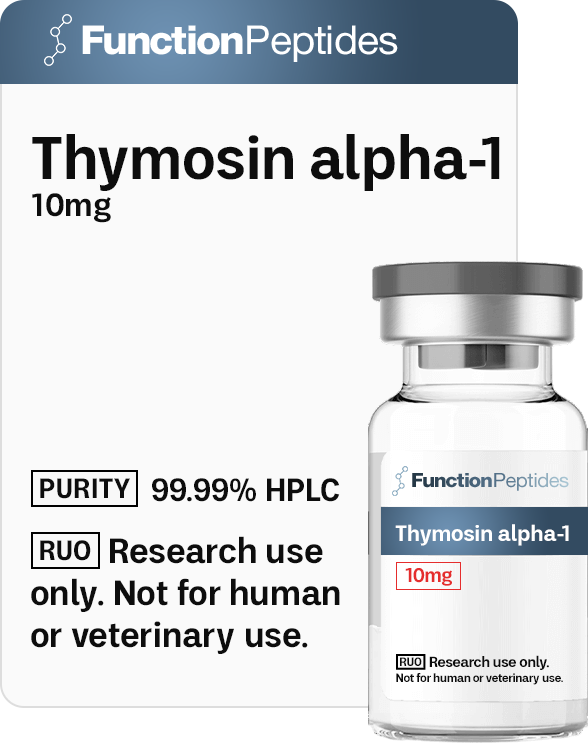 Thymosin alpha-1 10mg$100.00
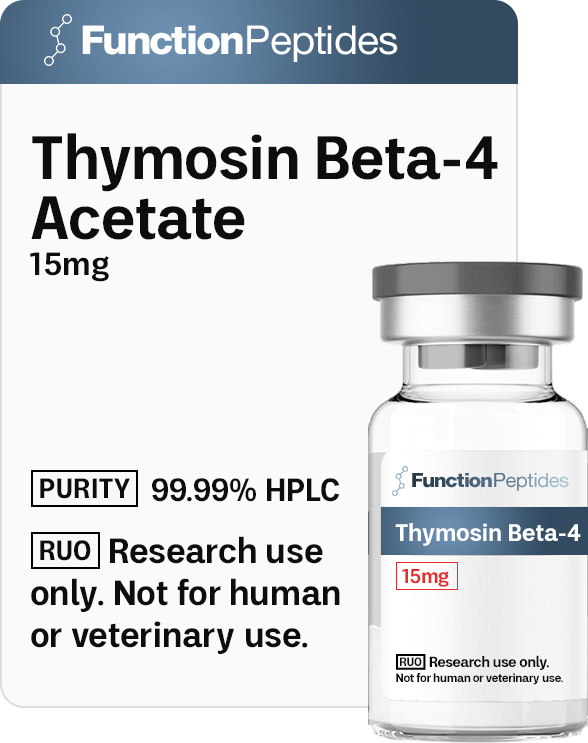 Thymosin Beta-4 Acetate, 15mg$125.00
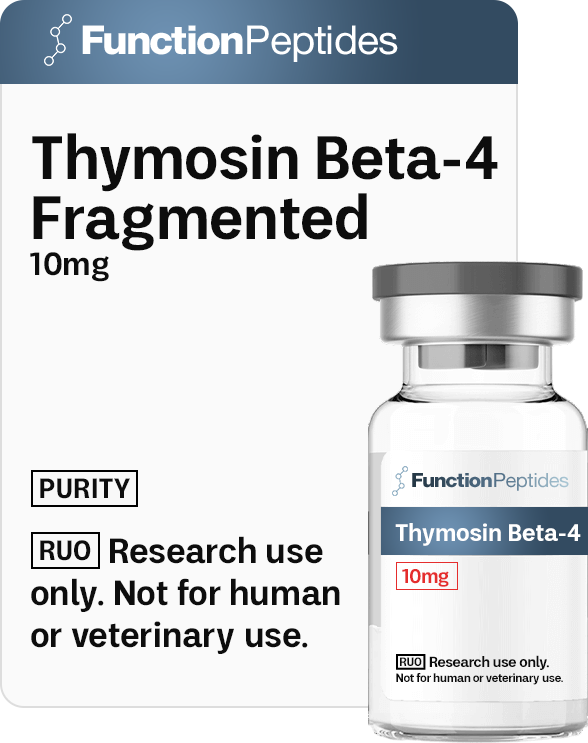 Thymosin Beta-4 Fragmented, 10mg$100.00
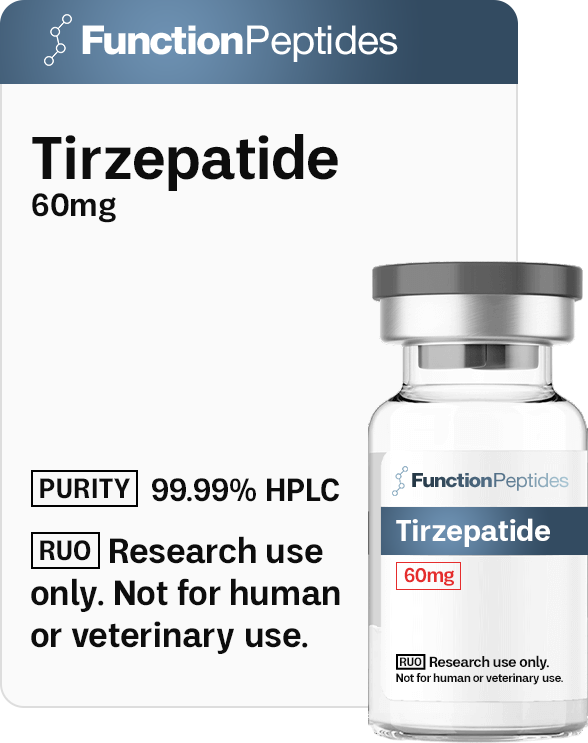 Tirzepatide 60mg$380.00
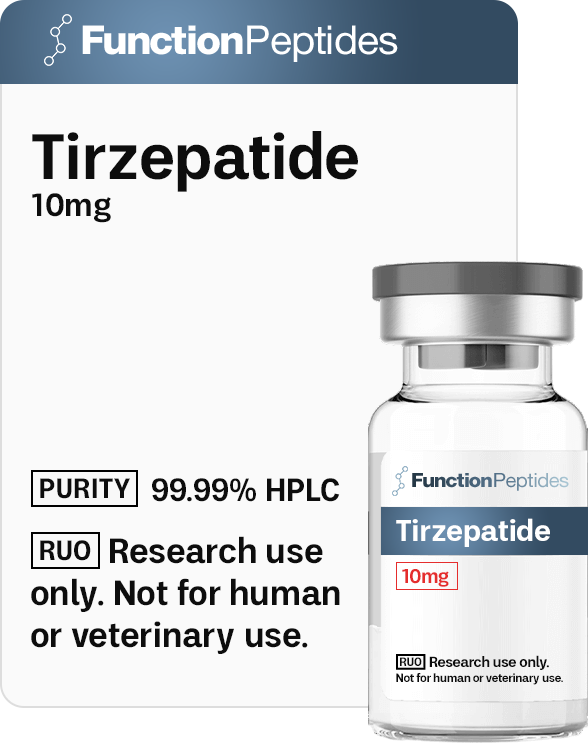 Tirzepatide, 10mg$100.00
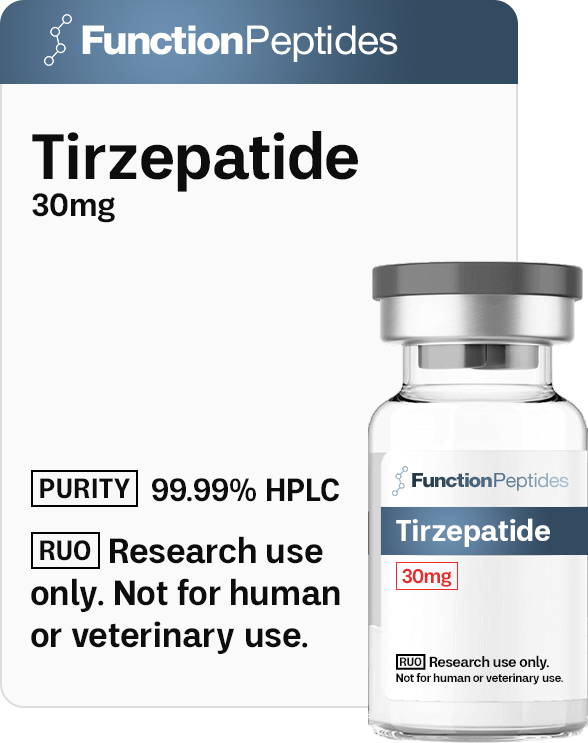 Tirzepatide, 30mg$240.00
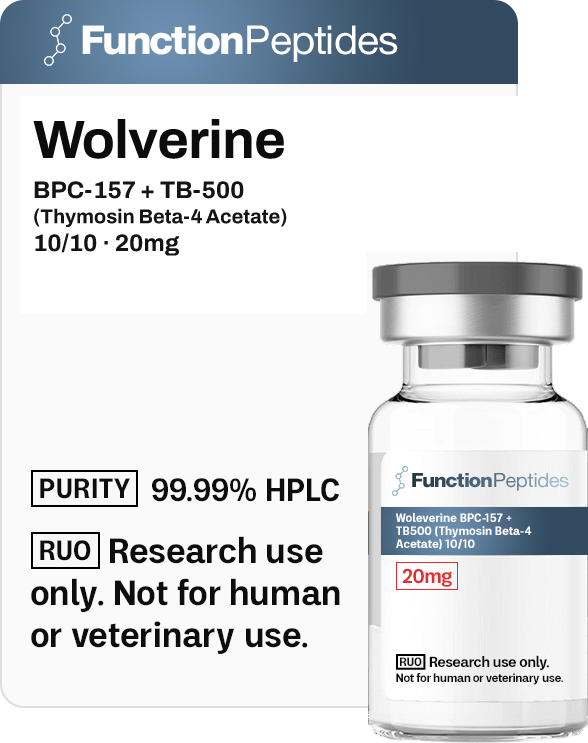 Wolverine$200.00
Advanced Peptide Research Compound for Cellular Repair, Vascular Signaling & Regenerative Pathway Studies
BPC-157 (Body Protection Compound-157) is a synthetic research peptide widely studied in controlled laboratory environments for its role in cellular repair mechanisms, angiogenic signaling, and tissue regeneration pathways. This BPC-157 research pack is formulated for structured experimental protocols where precision, stability, and reproducibility are essential.
BPC-157 providing researchers with a consistent supply for extended studies focused on tissue repair signaling, vascular response mechanisms, and regenerative pathway analysis.
What Makes This Product Special?
BPC-157 is frequently explored in laboratory research for its involvement in cellular protection, angiogenesis, and regenerative signaling pathways. Its stable peptide structure allows researchers to design controlled experiments examining repair dynamics, vascular integrity, and cellular recovery responses.
This peptide supports flexible and repeatable experimental designs, enabling detailed investigation of regenerative signaling under laboratory-controlled conditions.
BPC-157 Overview
BPC-157 is a synthetic peptide fragment derived from a naturally occurring gastric protein, developed exclusively for laboratory research focused on tissue repair, vascular signaling, and regenerative pathway modulation.
Key Research Attributes
Studied for cellular repair and regenerative signaling pathways
Frequently explored in angiogenesis and vascular integrity models
Utilized in tissue recovery and protective response research
Suitable for structured and long-term experimental protocols
Known for stability, consistency, and reproducibility in laboratory environments
BPC-157 is valued in research circles for its broad applicability in regenerative biology and cellular repair studies.
Research Significance
In laboratory research, BPC-157 is commonly used to investigate mechanisms related to tissue repair, vascular signaling, and cellular protection under controlled experimental conditions. Its predictable activity profile supports reproducible study designs and systematic pathway analysis.
Researchers select BPC-157 for its precision, reliability, and relevance to advanced regenerative and vascular signaling research frameworks.
Product Specifications
Compound: BPC-157 (Body Protection Compound-157)
Strength: 15mg per vial
Quantity: 10 vials
Form: Lyophilized powder
Grade: Research use only
Packaging: Secure, sealed vials for stability
Ideal For Research Focused On
Tissue repair and regenerative pathway studies
Angiogenesis and vascular signaling research
Cellular protection and recovery mechanisms
Advanced peptide-based regeneration models
Laboratory-controlled experimental protocols
ALL ARTICLES AND PRODUCT INFORMATION PROVIDED ON THIS WEBSITE ARE FOR INFORMATIONAL AND EDUCATIONAL PURPOSES ONLY.
The products offered on this website are furnished for in-vitro studies only. In-vitro studies (Latin: in glass) are performed outside of the body. These products are not medicines or drugs and have not been approved by the FDA to prevent, treat, or cure any medical condition, ailment, or disease. Bodily introduction of any kind into humans or animals is strictly forbidden by law.